Section I · Who We Are

A Strategic Partnership for Advanced Defense Solutions

Our Role

The Strategic Connector

Elevation 4 You serves as the specialized consulting arm and direct liaison for enterprise and government agencies. When you are seeking high-level defense manufacturing partnerships, we facilitate the relationship, navigate the procurement process, and ensure your operational requirements are seamlessly met by our vetted manufacturing infrastructure.

Manufacturing Partner

KIM Armor Technologies Inc.

We exclusively partner with KIM Armor Technologies Inc., a government-ready advanced materials and survivability engineering organization. Together, we deliver solutions that move from powder engineering to validated protection systems — vertically integrated, repeatable, and mission-ready.

Core Capabilities

Advanced Ceramic & Powder Engineering

Composite Manufacturing

Ballistic Validation

Industrial XCT Inspection

Section II · Infrastructure

Infrastructure Scale & Vertical Integration

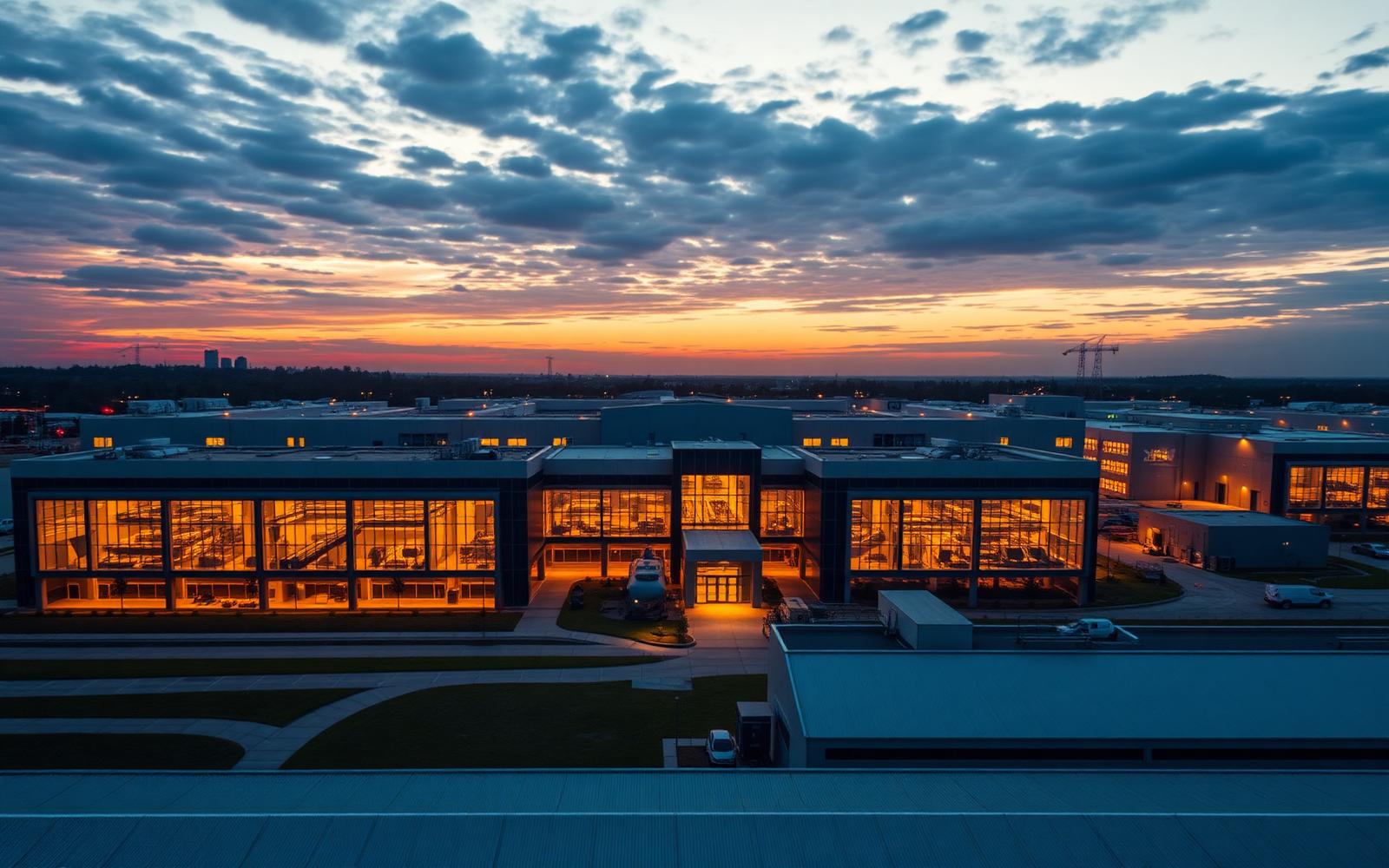
Aerial view of manufacturing campus at dusk

Production Campus

107,639 sq ft integrated facility

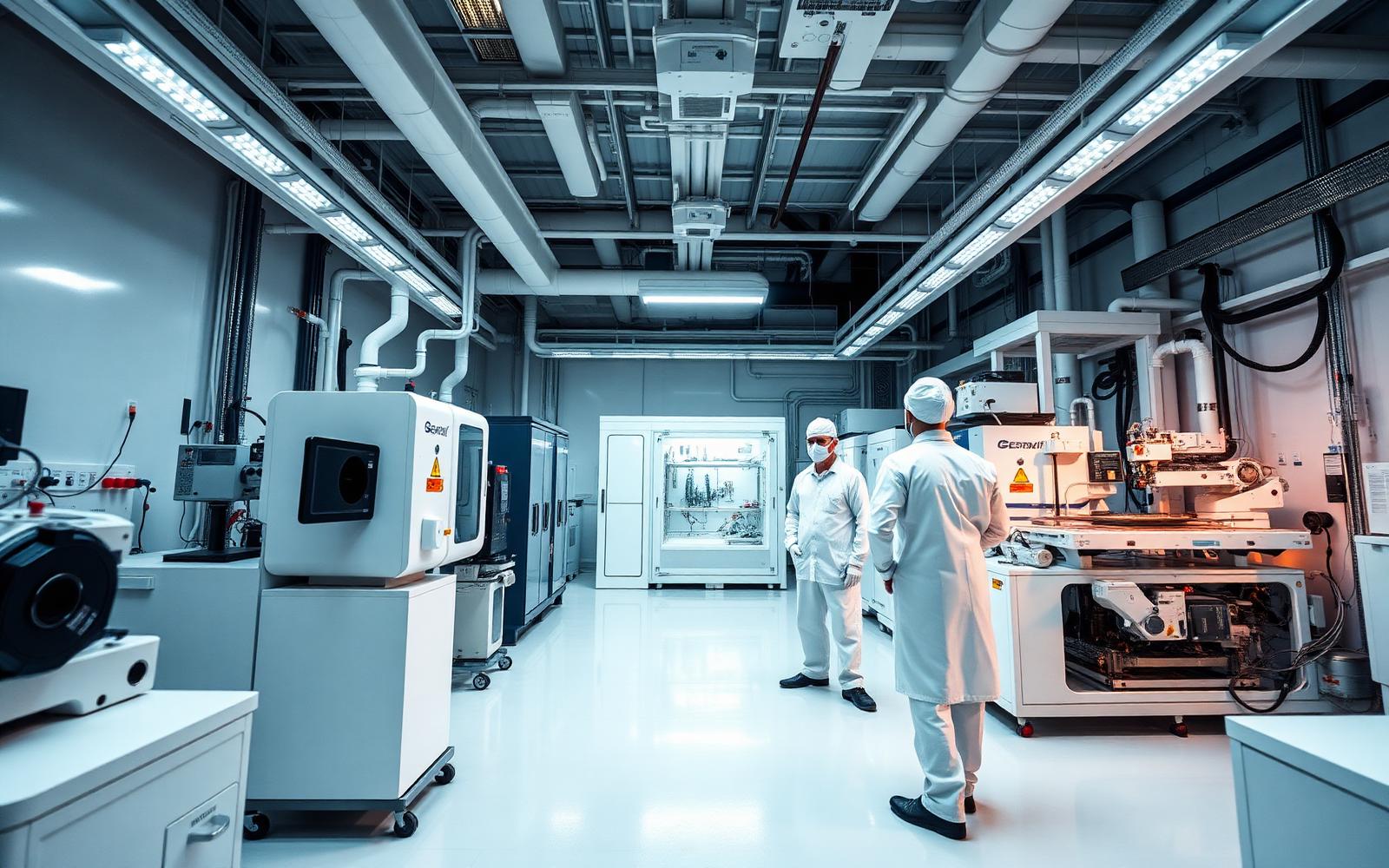
Advanced ceramics clean room

Clean Room

1,453 sq ft ISO-controlled

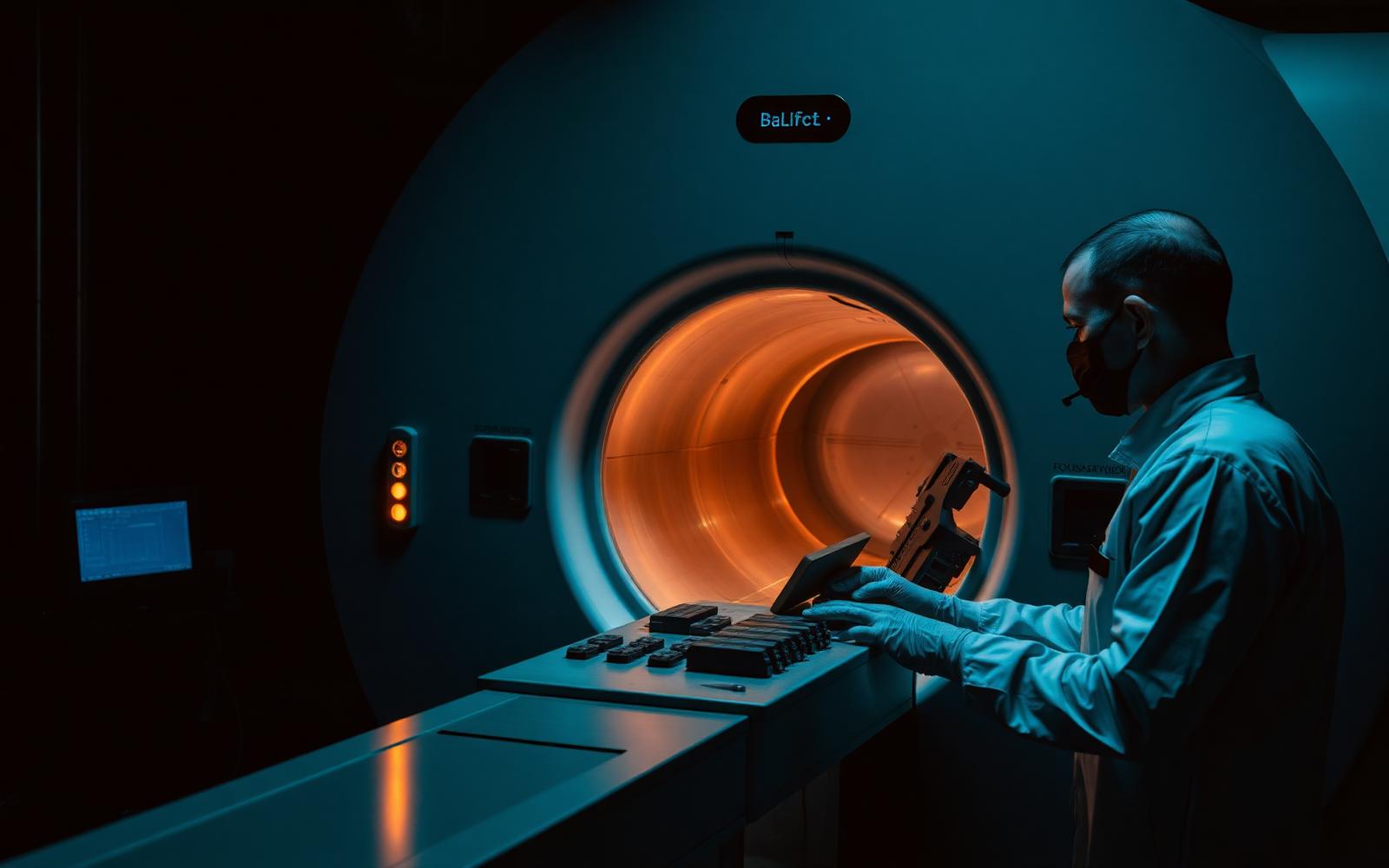
Industrial XCT ballistic validation laboratory

Ballistic Validation

Industrial XCT & live-fire testing

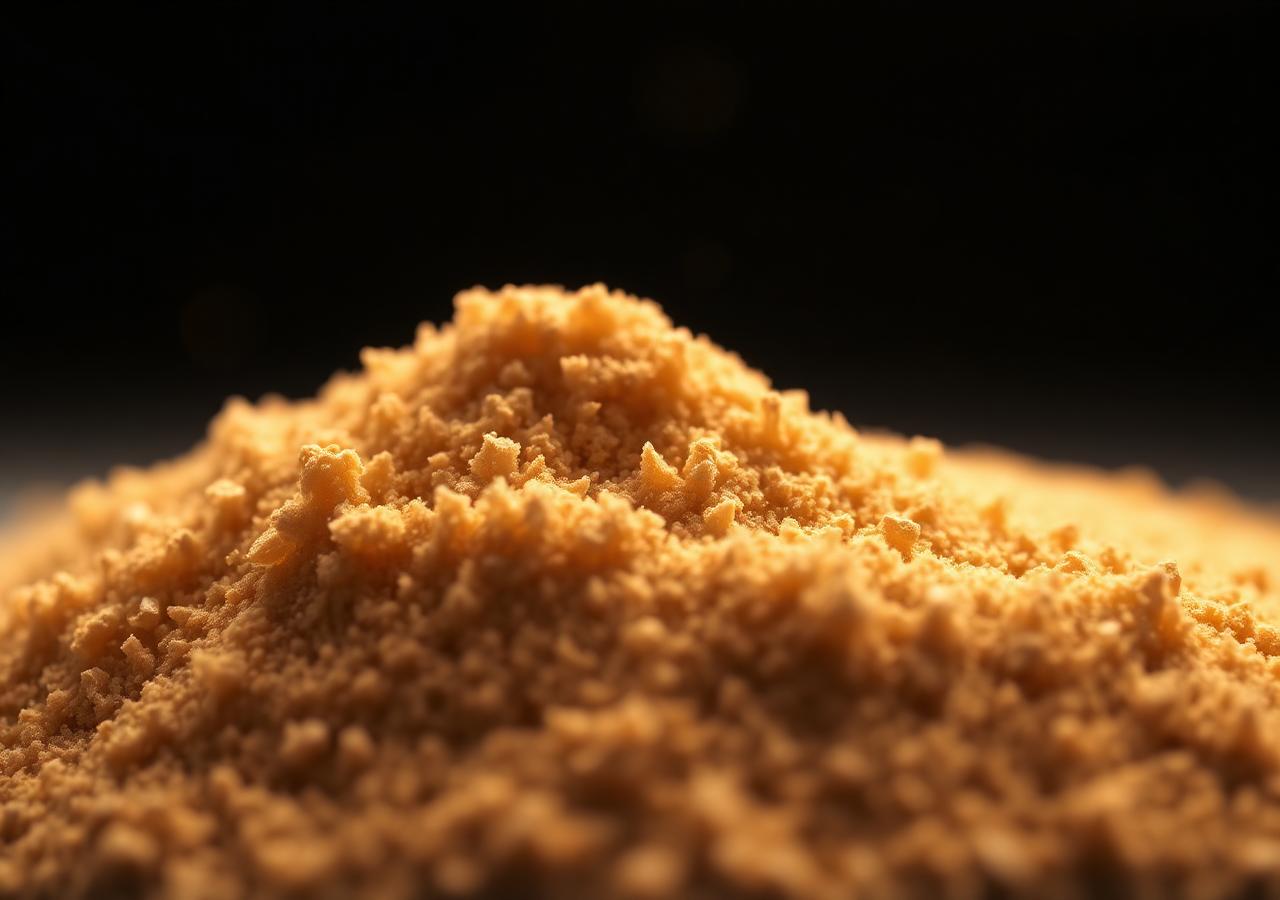
Advanced ceramic powder engineering

Ceramic Powder Engineering

From raw material to validated system

Section III · Advanced Materials

Material Selection Is An Engineering Decision

Each material family supports a different balance of system objectives. No single material is the answer to every mission. Material family is evaluated together with geometry, composite integration, weight target, protection pathway, manufacturing strategy and validation requirements.

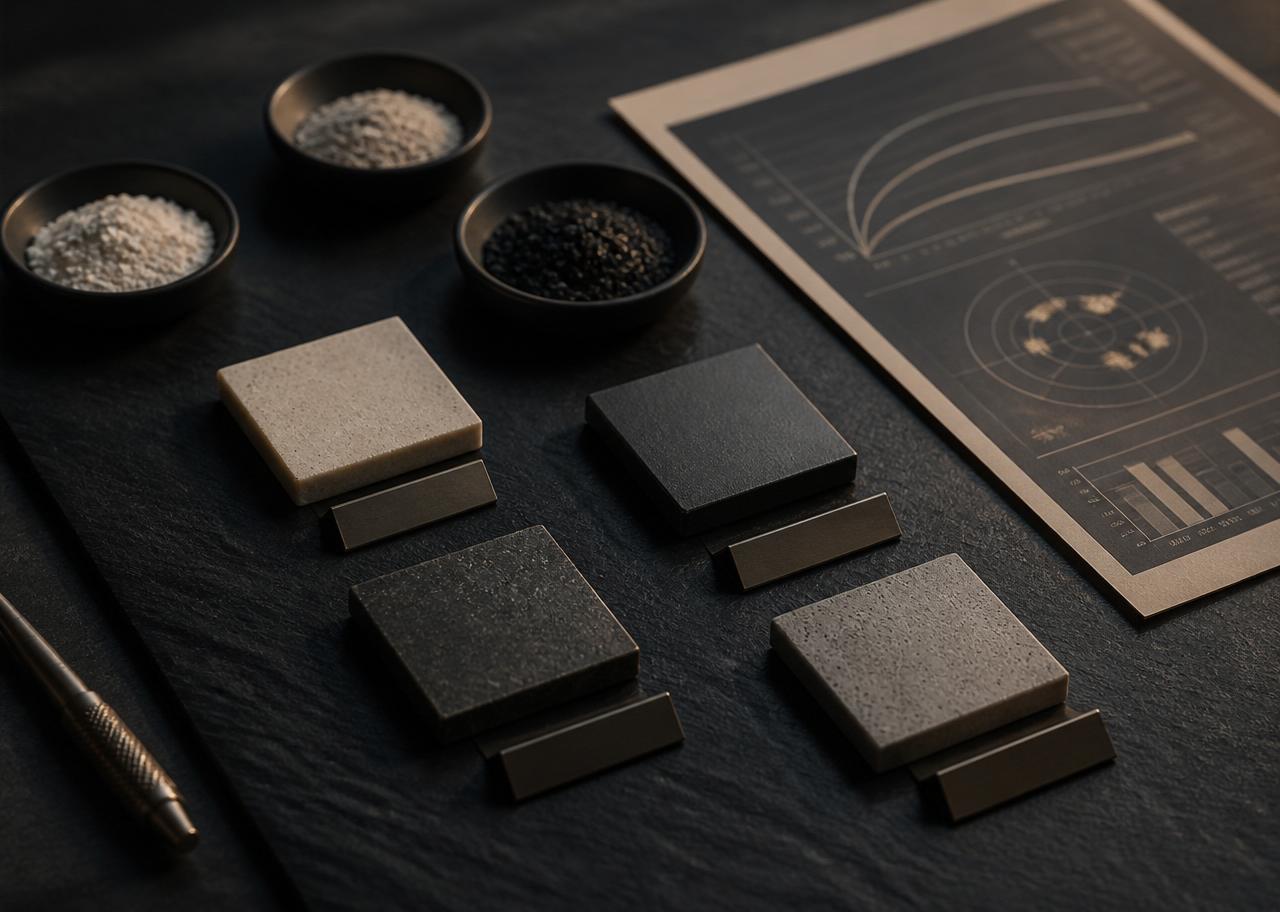
Advanced ceramic material samples with ballistic performance chart

Material Families

Evaluated by role, objective and system context.

Ceramic & Composite Families

Al₂O₃
Al–Al₂O₃
SiC
Si–SiC
Si–B₄C
B₄C
TiB₂

System-Oriented Material Communication

Engineering role, typical system objectives and product positioning are presented with customer-facing system context — so material choice is always tied to mission outcome.

Section V · Protection Systems

Validated RF3 Ballistic Armor Solutions

Our portfolio includes advanced ballistic chest plates and side plates — independently tested to RF3 performance requirements.

KIM RF3 Silicon Carbide ballistic chest plate
Premium Configurable
KIM-CP-MC-2-250x300

KIM RF3 Silicon Carbide (SiC)

Designed for configurable RF3 platform protection — Silicon Carbide ceramic paired with a UHMWPE composite system.

GeometryMulti/Single Curve · Monolithic or Segmented
Dimensions250 × 300 mm (9.8 × 11.8 in)
Weight2.80 kg (6.17 lb)
Thickness< 28 mm
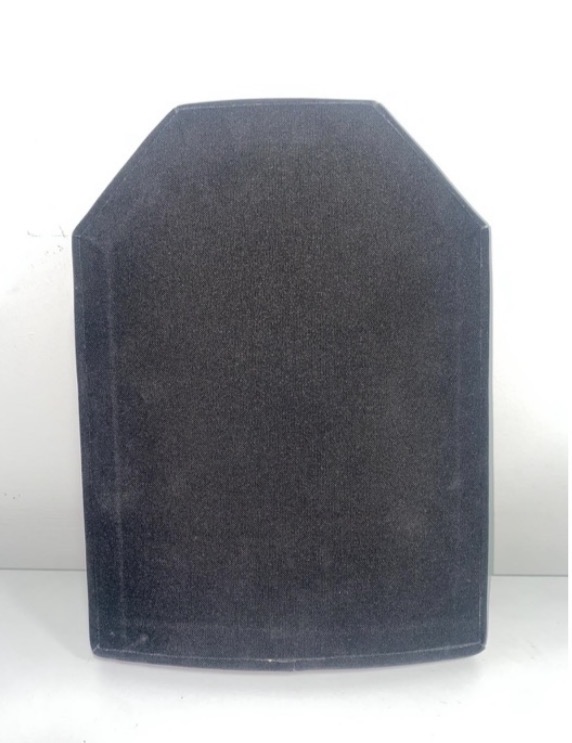
KIM RF3 Alumina ballistic chest plate — front view
Validated Engineering
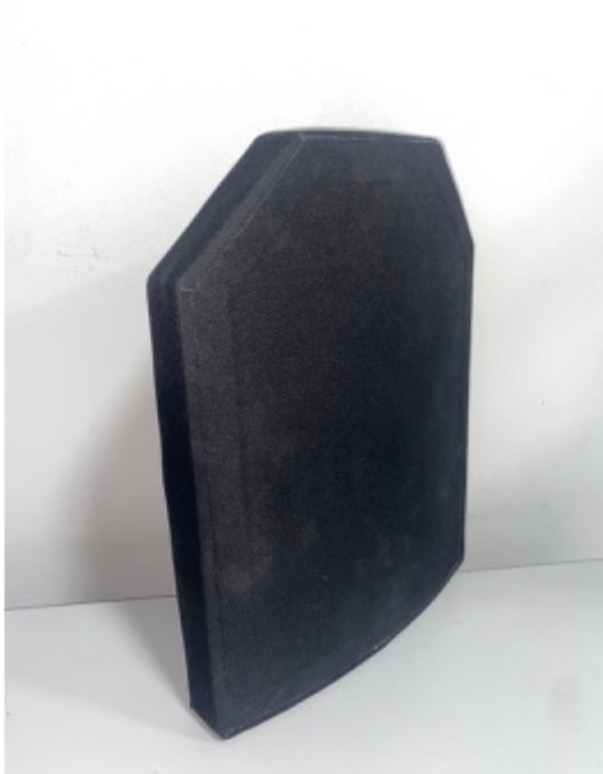
KIM RF3 Alumina plate — three-quarter angle showing single-curve geometry
KIM-CP-SC-1-250x300

KIM RF3 Alumina

Designed to the RF3 protection platform. Alumina ceramic system. Single-curve geometry. Validated engineering.

Engineered for customers balancing ballistic performance, cost, and durability — Alumina ceramic paired with a UHMWPE composite system.

GeometrySingle Curve · Monolithic
Dimensions250 × 300 mm (9.8 × 11.8 in)
Weight< 3.50 kg (< 7.72 lb)
Thickness< 30 mm

Additional approved sizing configurations — Small through Extra Large — and compatible RF3 Ballistic Side Plates are available for both product lines.

Section V · Engineering Methodology

Mission-Oriented Survivability Engineering

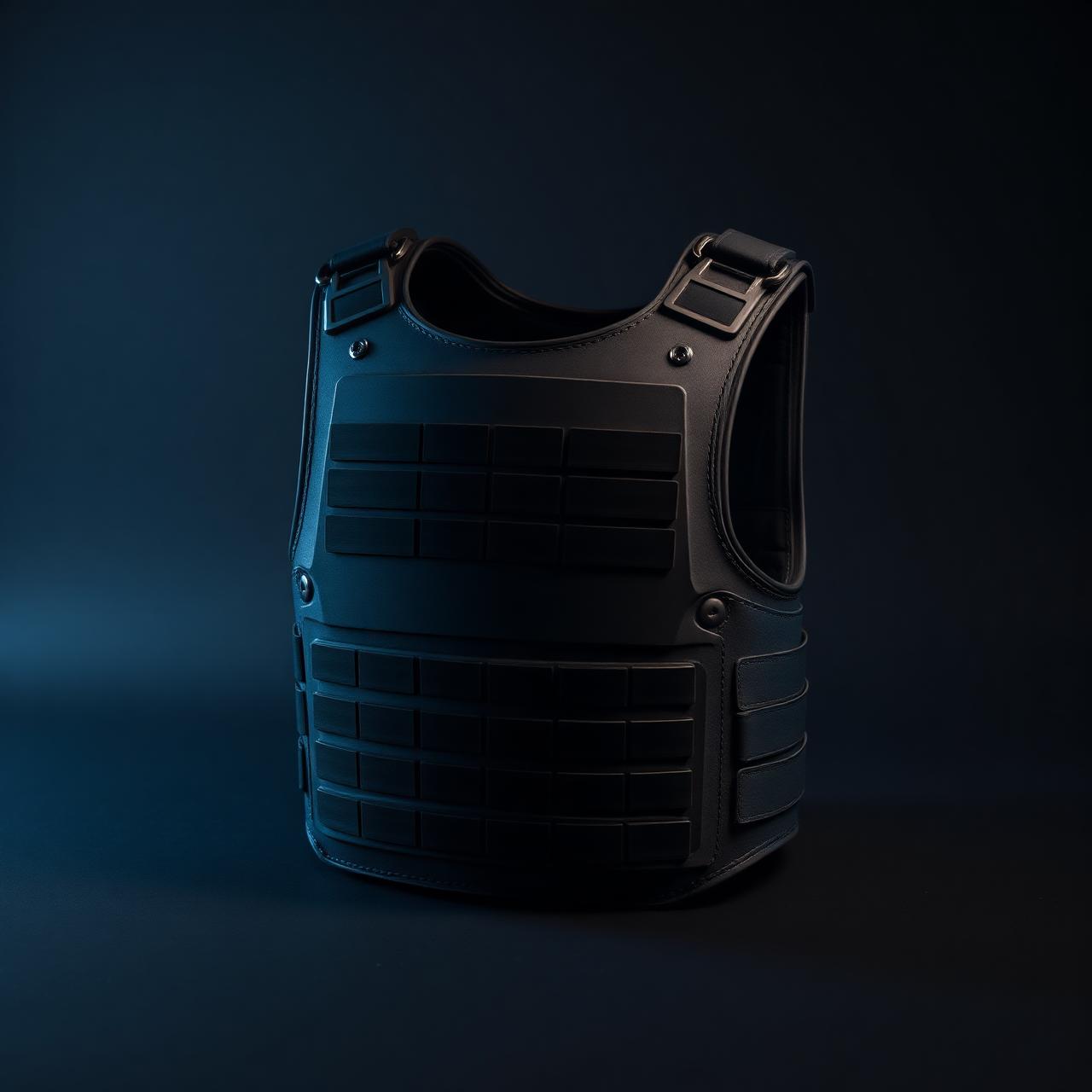
Protection begins with the mission. Body armor performance is shaped by the operating environment, user profile, geometry, mobility and validation pathway. KIM Armor develops protection solutions through a Mission-Oriented Survivability Engineering methodology that connects mission requirements with advanced materials, customer-facing configuration, validation and controlled manufacturing.
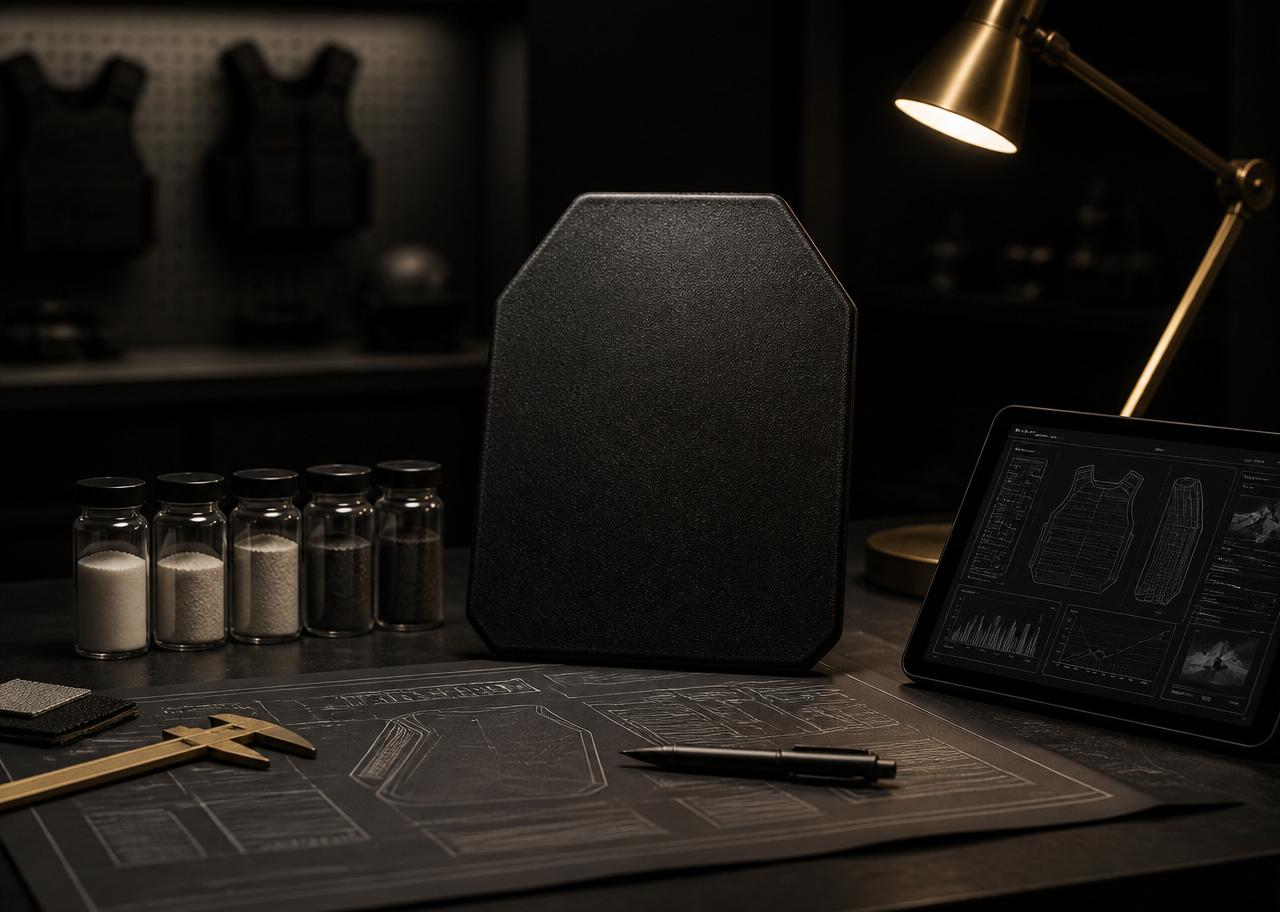
Mission-oriented survivability engineering workspace with armor plate, technical schematics and ceramic powder samples

Engineering Protocol

From mission requirements to material selection and controlled manufacturing.

01

Mission & User Requirements

Define the operational environment, threat profile, user mobility needs and procurement constraints.

02

Protection Objectives

Translate mission risk into precise ballistic performance targets and survivability outcomes.

03

Geometry & Mobility Priorities

Balance coverage, weight, thickness and ergonomics to match the end-user's movement profile.

04

Material-Family Selection

Select advanced ceramic, composite and backing systems based on validated performance trade-offs.

05

Validation & Configuration Control

Execute live-fire, industrial XCT and environmental testing to lock the final production configuration.